🎉 Up to 70% Off Selected ItemsShop Sale

$14.02
Original: $46.72
-70%Magnolia denudata 'Festirose'—
$46.72
$14.02The Story
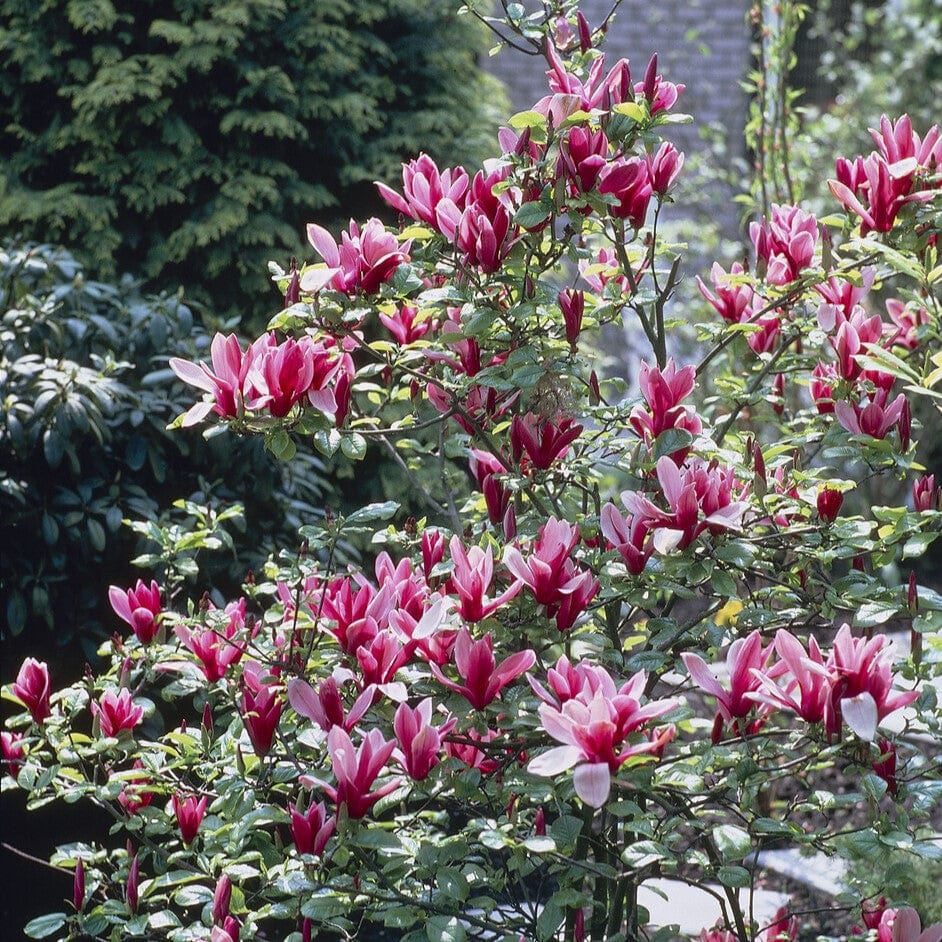
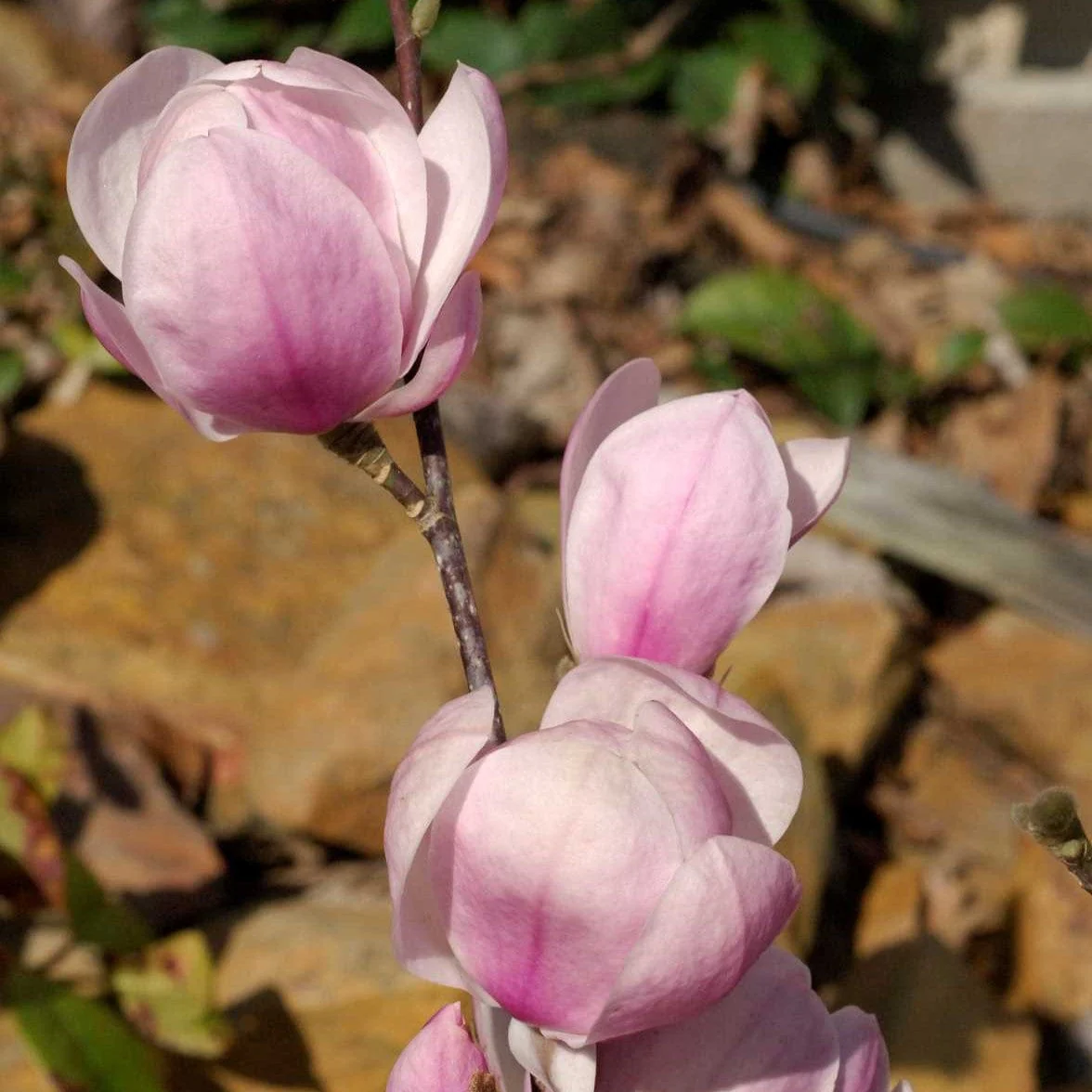
- If you're looking for a tree that delivers flower power, then look no further! 'Festirose' stuns with its pale pink, goblet-shaped flowers, which appear in abundance during spring.
- This variety is known for having a plentiful network of branches, meaning there's even more space on the tree for the lightly fragrant blooms to really shine.
- Typically emerging after the flowers, this tree's decidious green foliage continues to give the tree aesthetic appeal even after the blooms have fallen.
- Preferring slightly acidic soil, this magnolia variety will look brilliant planted alongside rhododendrons and azaleas, while foliage plants like ferns and hostas will do well in the shade cast by your tree's canopy.
- Magnolia denudata is also known as the 'Yulan magnolia' or the 'lilytree', and was cultivated as early as the seventh century by Chinese Buddhists.

Details & Craftsmanship
Every detail has been carefully considered to bring you the perfect product.

Details & Craftsmanship
Every detail has been carefully considered to bring you the perfect product.
Description
- If you're looking for a tree that delivers flower power, then look no further! 'Festirose' stuns with its pale pink, goblet-shaped flowers, which appear in abundance during spring.
- This variety is known for having a plentiful network of branches, meaning there's even more space on the tree for the lightly fragrant blooms to really shine.
- Typically emerging after the flowers, this tree's decidious green foliage continues to give the tree aesthetic appeal even after the blooms have fallen.
- Preferring slightly acidic soil, this magnolia variety will look brilliant planted alongside rhododendrons and azaleas, while foliage plants like ferns and hostas will do well in the shade cast by your tree's canopy.
- Magnolia denudata is also known as the 'Yulan magnolia' or the 'lilytree', and was cultivated as early as the seventh century by Chinese Buddhists.