🎉 Up to 70% Off Selected ItemsShop Sale

Select Title
From $13.35
Lomandra longifolia 'White Sands'—
$13.35
The Story
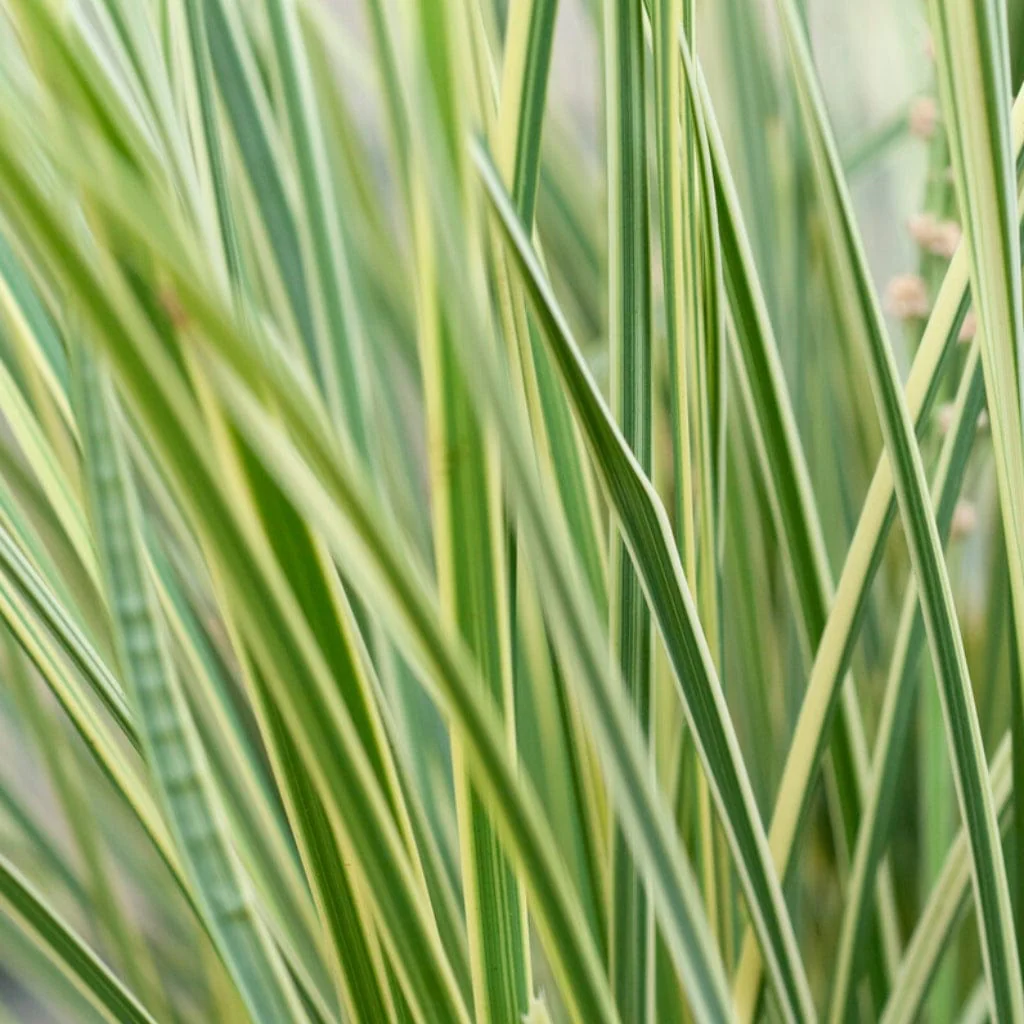
- The first variegated Lomandra, White Sands grows in upright tufs of grey-green and white foliage, adding structural interest to any landscape. This striking variegated evergreen looks like a grass but is actually a member of the asparagus family!
- A superstar collaboration between New Zealand breeder Malcolm Woolmore of Australian Robert Harrison, who took on the challenge to create the perfect garden plant from an outback native species - this is one tough plant!
- A drought tolerant, heatproof, floodproof and frost hardy plant which grows up to 75cm high and 50cm wide
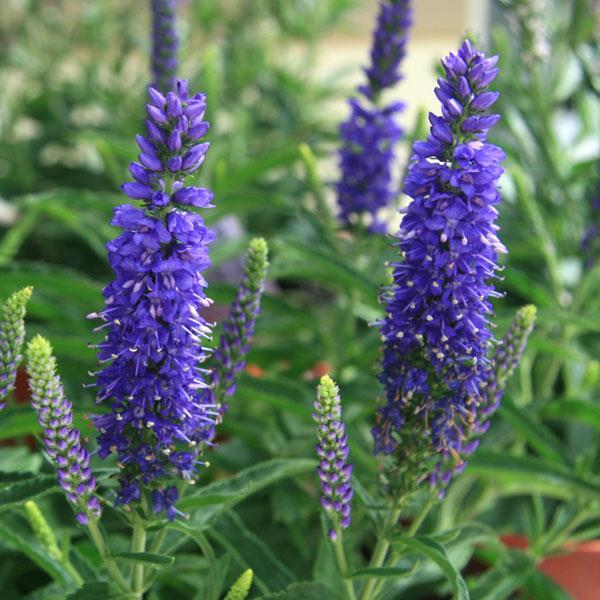
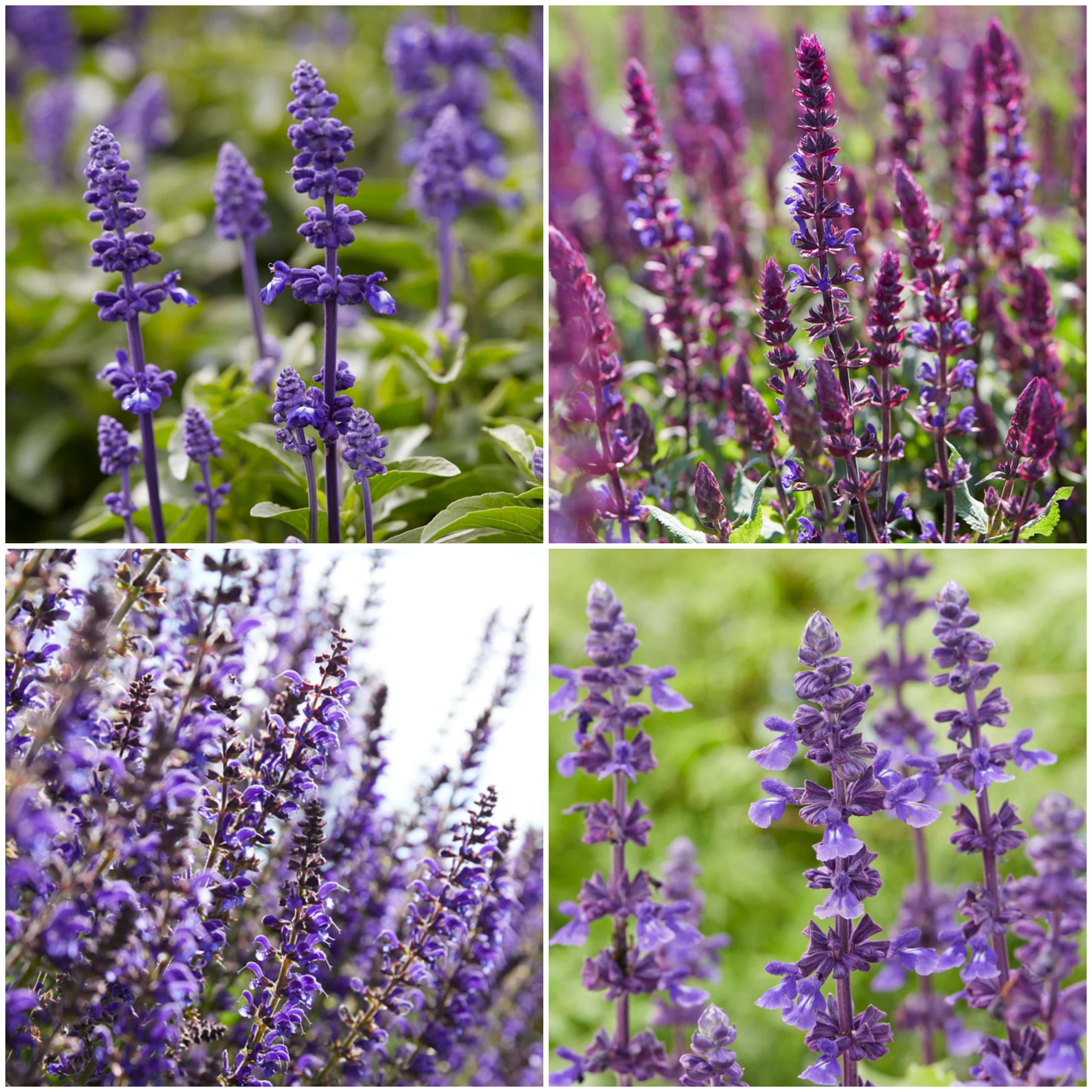
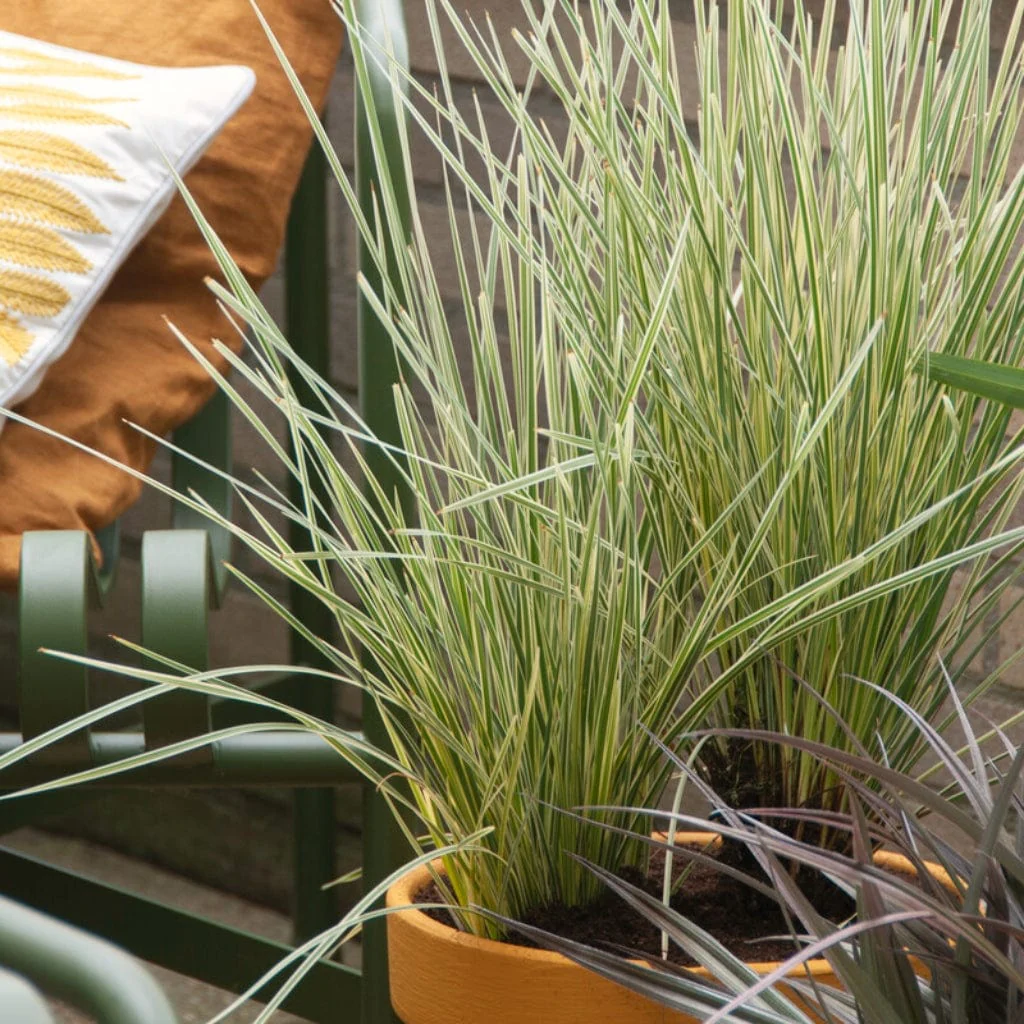
- Plant in patio pots or mixed borders - Lomandra looks great contrasted with purple and blue flowers such as salvia and campanula
- Grows fast and needs very little maintenance
- If you're ever stranded and thirsty in the outback/doing the gardening on a hot day, this plant stores water in its roots, so the leaves were traditionally chewed to prevent dehydration
Details & Craftsmanship
Every detail has been carefully considered to bring you the perfect product.
Description
- The first variegated Lomandra, White Sands grows in upright tufs of grey-green and white foliage, adding structural interest to any landscape. This striking variegated evergreen looks like a grass but is actually a member of the asparagus family!
- A superstar collaboration between New Zealand breeder Malcolm Woolmore of Australian Robert Harrison, who took on the challenge to create the perfect garden plant from an outback native species - this is one tough plant!
- A drought tolerant, heatproof, floodproof and frost hardy plant which grows up to 75cm high and 50cm wide
- Plant in patio pots or mixed borders - Lomandra looks great contrasted with purple and blue flowers such as salvia and campanula
- Grows fast and needs very little maintenance
- If you're ever stranded and thirsty in the outback/doing the gardening on a hot day, this plant stores water in its roots, so the leaves were traditionally chewed to prevent dehydration