🎉 Up to 70% Off Selected ItemsShop Sale

$8.01
Original: $26.70
-70%Lilac 'Katherine Havemeyer' | Syringa vulgaris—
$26.70
$8.01The Story
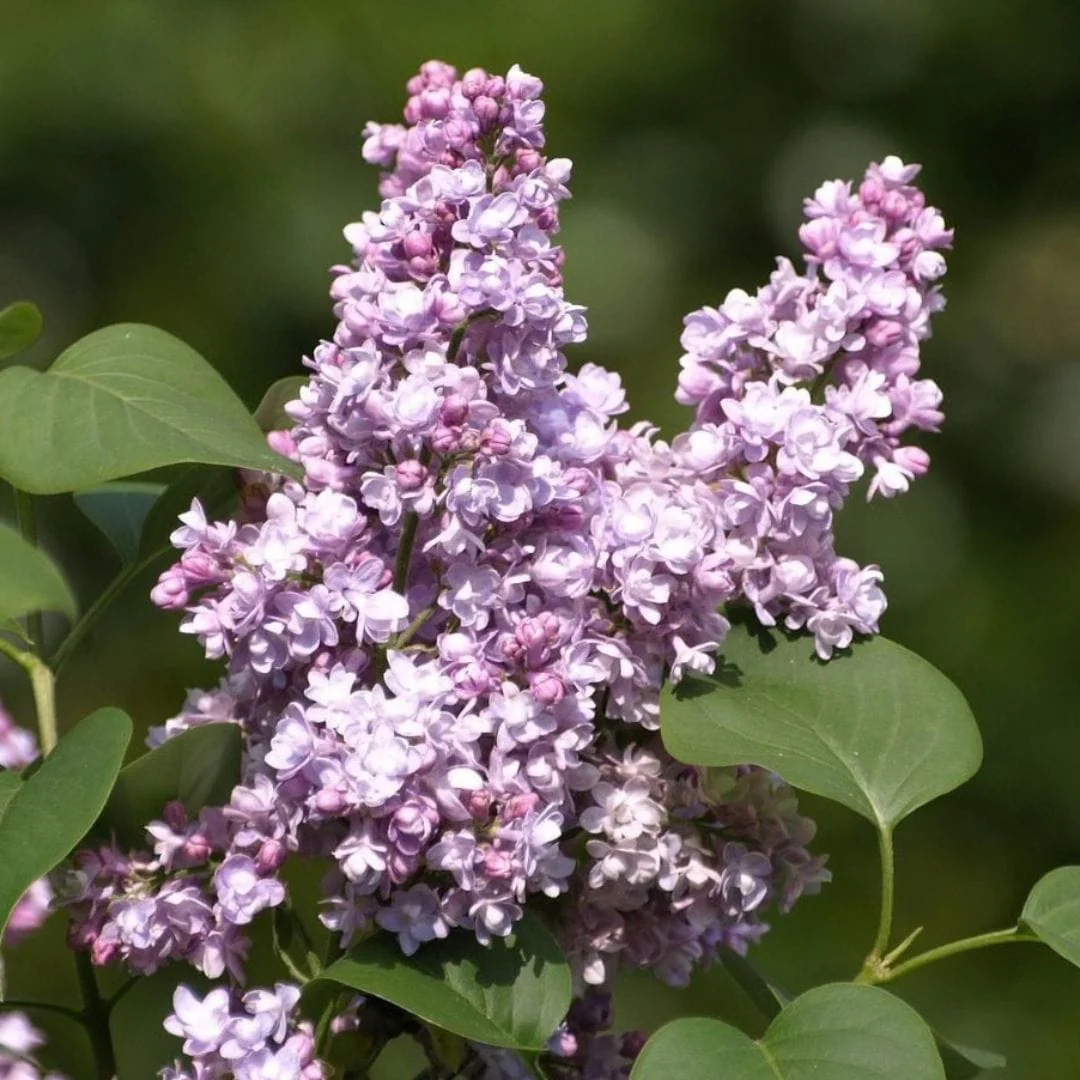
- If you want true garden drama, Syringa vulgaris 'Katherine Havemeyer' features large, tightly packed lavender-purple double flowers with a heady scent. It provides a stunning focal point for your outdoor space.
- As it establishes, this lilac forms an incredibly large, upright, and beautifully bushy growth habit. This is perfectly enhanced by its heart-shaped, fresh green deciduous leaves providing a lush summer canopy.
- This incredibly accommodating lilac thrives best in well-drained, slightly alkaline or chalky soils in a sunny, open position. Despite its highly ornamental appearance, it is reassuringly robust and easy to care for in the UK.
- It offers immense value to the local wildlife, specifically butterflies and bees intoxicated by the sweet perfume all year round. The blooms fade beautifully to a soft, pale lilac-pink as they mature.
- It carries a fascinating legacy: lilacs actually belong to the olive family, Oleaceae. In Victorian times, giving a sprig of lilac became a celebrated symbol of old-fashioned romance.
Description
- If you want true garden drama, Syringa vulgaris 'Katherine Havemeyer' features large, tightly packed lavender-purple double flowers with a heady scent. It provides a stunning focal point for your outdoor space.
- As it establishes, this lilac forms an incredibly large, upright, and beautifully bushy growth habit. This is perfectly enhanced by its heart-shaped, fresh green deciduous leaves providing a lush summer canopy.
- This incredibly accommodating lilac thrives best in well-drained, slightly alkaline or chalky soils in a sunny, open position. Despite its highly ornamental appearance, it is reassuringly robust and easy to care for in the UK.
- It offers immense value to the local wildlife, specifically butterflies and bees intoxicated by the sweet perfume all year round. The blooms fade beautifully to a soft, pale lilac-pink as they mature.
- It carries a fascinating legacy: lilacs actually belong to the olive family, Oleaceae. In Victorian times, giving a sprig of lilac became a celebrated symbol of old-fashioned romance.